


The psychological effects of gambling Understanding the mind behind the wager

The psychological effects of gambling Understanding the mind behind the wager
The Allure of Gambling: Luck and Skill
The psychological effects of gambling begin with its fundamental allure. At its core, gambling blends the excitement of chance with the thrill of potential reward. The randomness inherent in games like slots or roulette can be particularly enticing, drawing players into a state of excitement where the possibility of winning seems just a spin away. This dynamic underscores the concept of luck, which, when perceived positively, fuels optimism and encourages repeated play, often leading players to believe that they can influence outcomes. If you’re interested in exploring an exciting gaming experience, visit mafiacasino-official.org to discover more.
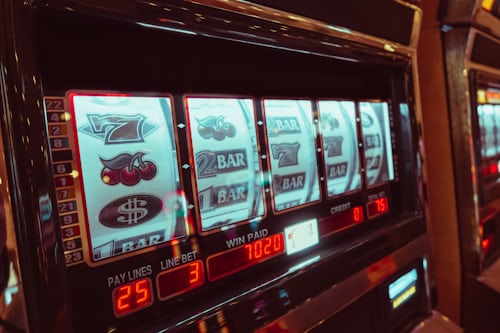
Conversely, skill-based games like poker or blackjack offer players the opportunity to apply strategies and techniques. This engagement fosters a sense of empowerment, making players feel more in control of their fate. Understanding the delicate balance between luck and skill is essential, as it significantly impacts how individuals engage with gambling. The perceived capability to affect outcomes can increase players’ investment and emotional attachment, blurring the lines between enjoyment and compulsion.
The psychological impacts of this interplay can lead to an addictive cycle. Players might find themselves betting more frequently, driven by the highs of both luck and skill. When luck is on their side, it reinforces the notion that they possess a winning streak, while losses can induce frustration, prompting them to gamble further in hopes of reclaiming their losses. This pendulum of emotions highlights the complex psychological landscape that defines gambling behavior.
The Role of Reinforcement in Gambling Behavior
Reinforcement is a central component in understanding gambling psychology. The intermittent rewards associated with gambling, such as sporadic wins amid many losses, tap into deep-seated psychological principles. This variable reinforcement schedule is notably powerful; it creates a sense of uncertainty and anticipation, much like the thrill of a surprise. When a player wins, even a small amount, it triggers the release of dopamine, a neurotransmitter linked to pleasure and reward, making the experience feel euphoric.
Moreover, this form of reinforcement can distort a player’s perception of risk and reward. Players may downplay the probability of losing while fixating on the prospect of winning. This cognitive bias, known as the illusion of control, can lead individuals to believe they possess unique skills or strategies that can consistently yield positive results. Consequently, this belief can foster increased gambling behavior, as players feel justified in their actions, often overlooking the underlying odds stacked against them.
The compounding effects of reinforcement and cognitive distortions can lead to problematic gambling behavior. Individuals may progressively increase their stakes, chasing losses in an effort to recover their previous wins or to feel that rush again. Understanding how these psychological triggers operate is crucial for addressing gambling addiction and promoting healthier gambling practices.
The Emotional Rollercoaster of Gambling
The emotional landscape of gambling is a rollercoaster ride marked by highs and lows. Winning can elicit feelings of elation, confidence, and even invincibility. Players often experience a rush akin to euphoria, which can overshadow rational thinking. However, this high is often fleeting, quickly followed by the stark reality of losses, leading to emotional distress, anxiety, and regret. The dichotomy of these emotional states is what makes gambling so psychologically engaging and potentially addictive.
An essential aspect of this emotional cycle is the concept of loss aversion. Players often feel losses more intensely than equivalent gains, resulting in a strong urge to continue gambling to recoup losses. This emotional drive can lead to a vicious cycle, where the fear of loss propels players to gamble more, hoping for that elusive win that might restore their emotional equilibrium. The need to escape negative emotions often compels individuals to place bets, further entrenching their gambling behaviors.
Additionally, the environment where gambling occurs can amplify these emotional responses. The vibrant lights, sounds, and atmosphere of a casino or an online gaming platform are designed to heighten excitement. This sensory overload can further detach players from reality, making it easier to become immersed in a gambling experience. This combination of emotional highs and environmental influences contributes to the profound psychological effects of gambling.
The Psychological Risks of Compulsive Gambling
While gambling can be a source of entertainment, it also carries significant psychological risks, particularly for those who develop compulsive behaviors. Problem gambling, characterized by an inability to control one’s gambling habits, can lead to severe emotional and financial consequences. Individuals may find themselves in a cycle of denial, believing they can stop at any time, yet repeatedly fail to do so, leading to a deterioration of personal relationships, work performance, and overall well-being.
The mental health ramifications of gambling addiction are profound. Anxiety, depression, and even suicidal thoughts can arise from the pressures and fallout of compulsive gambling. Individuals may face a considerable sense of shame and guilt as they grapple with their actions. This emotional burden can exacerbate their gambling habits, creating a feedback loop that reinforces negative behaviors and emotions.
Understanding the risks associated with gambling is vital for both individuals and communities. Awareness can empower players to seek help, establishing healthier boundaries around gambling activities. Intervention programs, counseling, and support groups play a crucial role in addressing the psychological aspects of gambling addiction, providing individuals with the tools needed to regain control over their lives.

Exploring Online Gambling Platforms Like Mafia Casino
In recent years, online gambling platforms such as Mafia Casino have emerged, enhancing accessibility to a wide variety of games. These platforms offer players a convenient way to engage with gambling without needing to visit a physical casino. However, the psychological effects of online gambling can be equally profound, and the anonymity of the internet can sometimes exacerbate compulsive behaviors.
Mafia Casino aims to provide a secure gaming environment, prioritizing player safety and fair play. With a robust library of games, players are constantly enticed to explore new options and engage with their favorite titles. The availability of bonuses and promotions adds another layer of psychological complexity, as players might feel pressured to take advantage of these offers, potentially leading to increased playtime and spending.
Moreover, the online gaming landscape can create a sense of isolation for players. Unlike traditional casinos where social interactions are part of the experience, online gambling can be solitary. This solitude can make it easier for individuals to lose track of time and money, as they gamble without the immediate social checks that might occur in a physical setting. Understanding the psychological effects of such environments is crucial for fostering responsible gambling practices and encouraging players to engage mindfully.